








For over a month, violence targeting African migrants has been escalating in South Africa, revealing a troubling security drift and an official silence that raises questions.
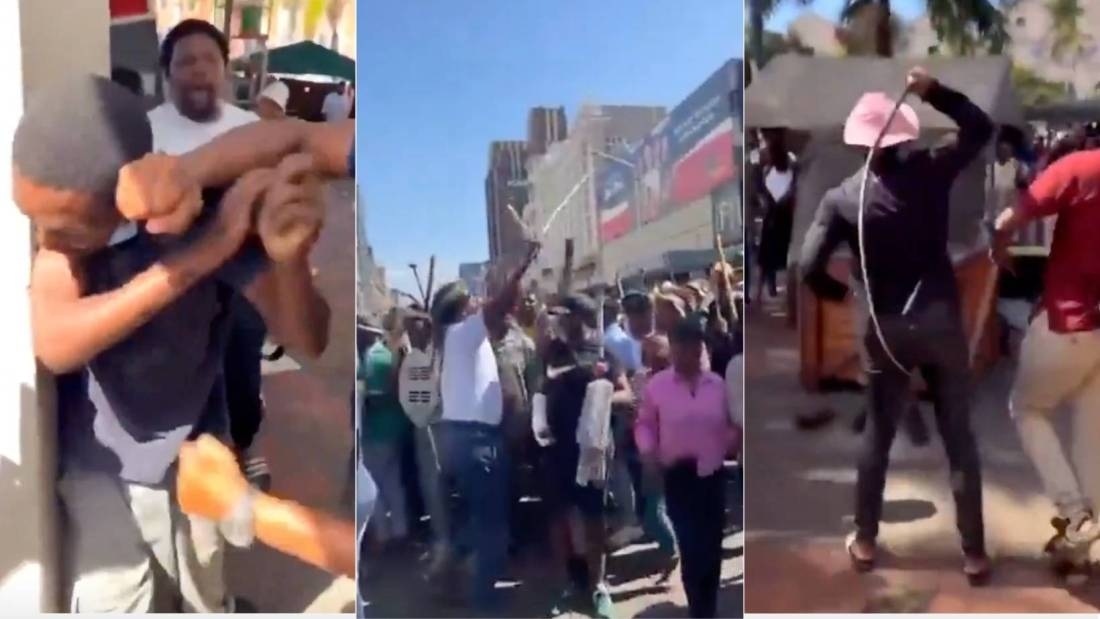
South Africa is going through a particularly tense period marked by a resurgence of xenophobic acts targeting African nationals. Nigerians, Ghanaians, and Congolese are among the main victims of this sustained wave of violence. In several urban areas, organized groups promoting anti-immigration rhetoric have taken over public spaces, carrying out improvised control operations. Armed with sticks and whips, these individuals patrol the streets, attack businesses owned by foreigners, and create a climate of fear by demanding identity documents and proof of origin.
This alarming dynamic is being reinforced by explicit political backing. The movement “Concerned Citizens and the Voters of SA” has publicly supported these actions and is calling for a nationwide mobilization on Monday, May 4. Its stated objective is radical: to expel all foreigners, regardless of their legal status. This widely circulated message contributes to normalizing violence and shaping an exclusionary rhetoric that further weakens the social fabric.
In response to this escalation, some African capitals are beginning to speak out. On April 22, 2026, Ghana’s Minister of Foreign Affairs, Sam Okudzeto Ablakwa, reported a phone conversation with his South African counterpart, Ronald Lamola, referring to “extremely disturbing” images of Ghanaians being attacked. The following day, Accra summoned the acting head of the South African mission, demanding clear guarantees for the safety of its nationals. This reaction reflects growing concern over a situation that now extends beyond domestic boundaries.
In Pretoria, however, the lack of official communication is fueling questions. The government of Cyril Ramaphosa has not yet made a public statement on these events. This silence, in the context of repeated violence, has been sharply criticized by many African observers. On social media, voices denounce what they see as passivity amounting to implicit tolerance, especially as judicial measures against the perpetrators remain largely invisible.
This crisis highlights a growing gap between South Africa’s international engagement and its handling of internal tensions. Since December 2023, Pretoria has stood out on the global stage by bringing a case before the International Court of Justice against Israel over alleged violations of the Genocide Convention in Gaza. An initiative praised for its legal and symbolic significance, but which now contrasts with the lack of firm response to violence targeting African populations within its own borders.
In the background, these events reveal persistent structural imbalances. High unemployment, socio-economic inequalities, and a sense of abandonment among certain segments of the population create fertile ground for identity-driven excesses. In this context, migrants become easy targets. This situation raises profound questions about South Africa’s political and moral legacy—long seen as a model of reconciliation—and its ability to preserve its influence and credibility across the continent.